

Preserve Your Smile: A Guide to Root Canal Treatment
Our teeth are marvels of engineering, designed to withstand a lifetime of chewing. But even the strongest teeth can succumb to infection. When that happens, root canal treatment might be the answer to save your tooth and restore your oral health.
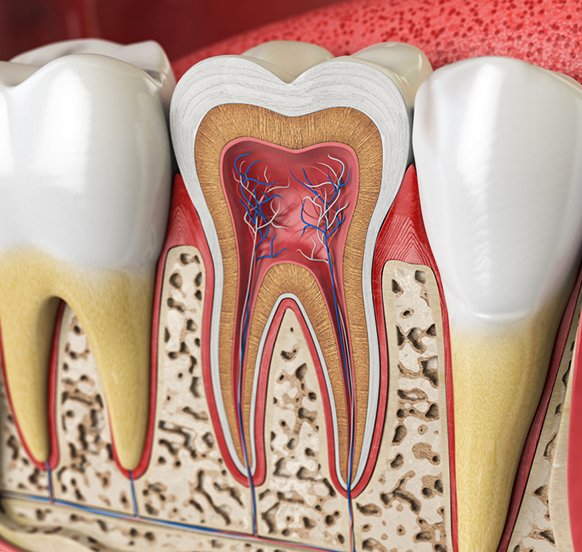
The inner core of your tooth, called the pulp, houses nerves, blood vessels, and connective tissue. This pulp is normally well-protected by a hard outer shell (enamel) and a softer layer (dentin). However, bacteria can enter the pulp through a deep cavity, a crack, or a hard blow, causing an infection.
Why Root Canals Are Necessary
An infected tooth is no laughing matter. It can cause excruciating pain that only worsens if left untreated. Here's why a root canal might be your best option:
- Preserves Your Natural Smile: Missing teeth can lead to a cascade of problems, including bone loss and shifting of surrounding teeth. Root canals allow you to keep your natural tooth structure, maintaining a healthy and functional smile.
- Pain Relief: The most compelling reason for a root canal is pain relief. The infected pulp is the source of the throbbing discomfort, and removing it brings immediate and lasting relief.
- Faster Recovery: Compared to tooth extraction, root canals typically have a shorter recovery time. Plus, you won't need to worry about the hassle and expense of replacing a missing tooth.
Signs You Might Need a Root Canal
Early detection is key to a successful root canal. Here are some warning signs to be aware of:
- Severe toothache, especially at night or when chewing
- Sensitivity to hot or cold temperatures that lingers long after consuming food or drinks
- Discoloration of the affected tooth
- Swelling or tenderness in the gums around the tooth
- A pimple-like bump on the gum near the tooth
If you experience any of these symptoms, don't delay! Contact your dentist immediately.
Don't Fear the Root Canal
Root canals have a bit of an unfair reputation, but they are a valuable tool for preserving your natural teeth and relieving pain. With modern techniques and an experienced dentist, the procedure is comfortable and effective. If you suspect you might need a root canal, schedule an appointment with your dentist as soon as possible. Saving your smile starts with early intervention!